
Massive Rainbow Six Siege Breach Revealed: Players Get Billions of Credits
➤Summary
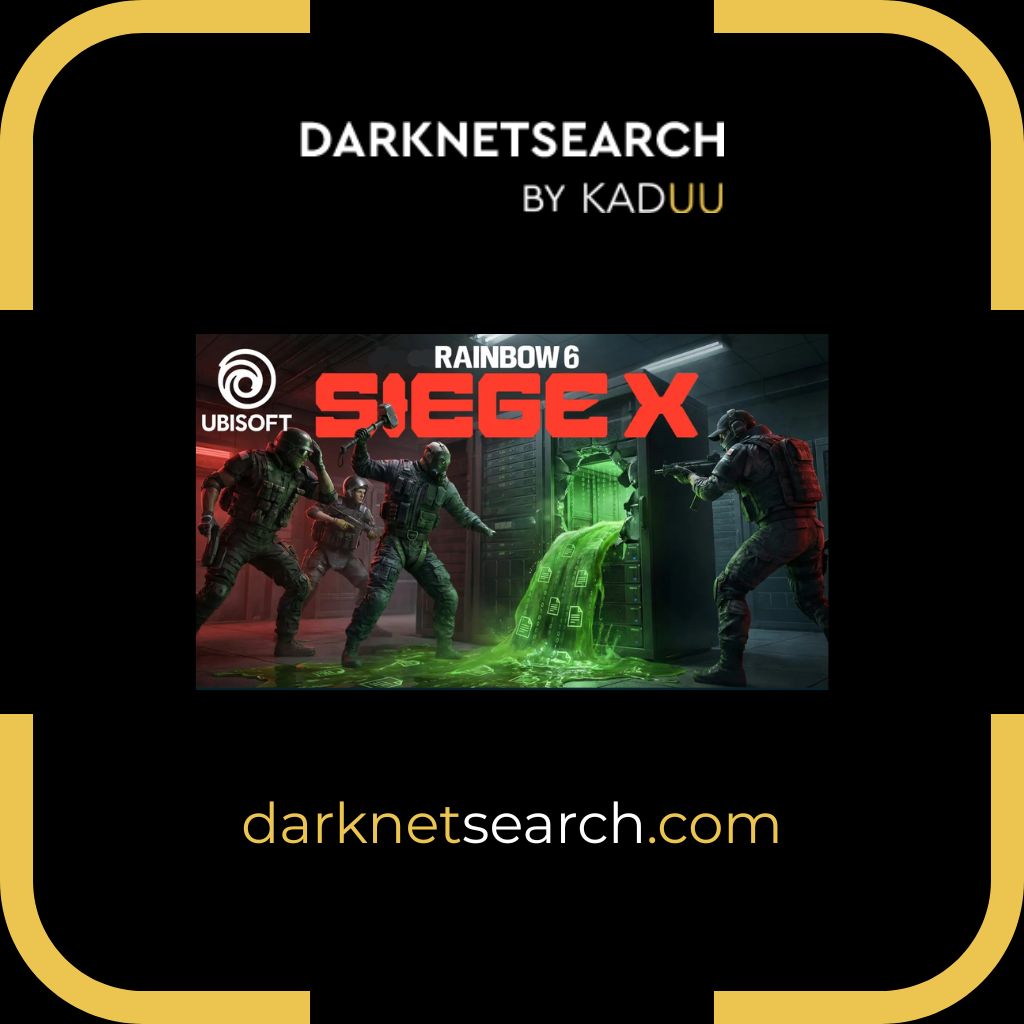
Rainbow Six Siege breach news shocked the gaming and cybersecurity communities when players suddenly logged in to find billions of R6 Credits added to their accounts without warning 😮. This massive Rainbow Six Siege breach forced Ubisoft to shut down servers globally, roll back player inventories, and investigate what appears to be deep backend compromise. Reports from BleepingComputer and MSN confirmed that the incident wasn’t a visual glitch but a real manipulation of player balances and moderation systems. The Rainbow Six Siege breach highlights serious weaknesses in live-service security models and raises questions about how attackers gained such powerful access so quickly — underscoring the growing importance of Data Breach Detection in real-time service environments.
What Happened During the Rainbow Six Siege Breach
According to reporting by BleepingComputer, attackers exploited an internal system that allowed them to inject enormous amounts of R6 Credits directly into player accounts, bypassing all purchase and progression controls. Players across regions reported balances jumping into the billions within minutes, alongside unexplained inventory changes and account flags. Ubisoft reacted by taking Rainbow Six Siege servers offline to prevent further damage and preserve forensic evidence. This Rainbow Six Siege breach disrupted ranked play, esports preparation, and the in-game marketplace, freezing the game’s entire economy 🎮.
Additional coverage by MSN News revealed that Ubisoft identified the incident as a “security issue affecting live account services,” confirming that unauthorized access occurred at a systems level rather than through client-side cheating tools. This distinction is crucial, as it points to a breach of backend services rather than a traditional game exploit.

How Attackers Gained Such Powerful Access
While Ubisoft has not released full technical details, threat researchers analyzing the Rainbow Six Siege breach believe attackers abused internal APIs tied to account balances and moderation services. These systems are normally restricted to trusted services and staff, but once compromised, they allow actions such as credit assignment, ban toggling, and inventory modification. This is why some players reported seeing fake ban messages and admin-style notifications during live matches 😬.
The Rainbow Six Siege breach demonstrates how dangerous excessive privilege in backend systems can be. A single compromised access point can cascade into total control over a live-service environment, especially when real-time validation checks are insufficient.
VX-Underground Statement Explained
In a post shared by VX-Underground on X, researchers explicitly referenced CVE-2025-14847, stating that the Rainbow Six Siege incident showed characteristics consistent with backend service abuse rather than a traditional client-side exploit. According to VX-Underground, multiple threat actors appeared to be interacting with Rainbow Six Siege services at the same time, suggesting either shared access to compromised infrastructure or rapid reuse of the same vulnerability once it was discovered. This observation strongly indicates that the breach was not a one-off intrusion, but an actively exploited weakness in live backend services.
VX-Underground further noted that the attacker behavior closely resembled misuse of internal testing or administrative tooling, reinforcing the conclusion that privileged backend functions were accessed directly, rather than attackers exploiting gameplay mechanics or player-side vulnerabilities 🔍. This analysis aligns with Ubisoft’s decision to immediately shut down core services globally instead of deploying a limited hotfix, a response typically reserved for deeper infrastructure compromise.
Importantly, CVE-2025-14847 has been linked by analysts to unsafe memory handling and unauthorized data exposure patterns similar to those described in DarknetSearch’s breakdown of a recent MongoDB unauthenticated memory flaw. As detailed in DarknetSearch’s analysis, such vulnerabilities can allow attackers to read uninitialized memory and potentially extract sensitive backend data, credentials, or service tokens that enable lateral movement across systems. The parallels between the MongoDB flaw and the Rainbow Six Siege breach suggest that backend data exposure vulnerabilities can act as an initial foothold, eventually leading to full administrative misuse when monitoring and access controls are insufficient.
Impact on Players and the In-Game Economy
For players, the immediate impact of the Rainbow Six Siege breach was confusion. Some enjoyed temporary access to rare cosmetics and premium content, while others feared permanent bans or corrupted accounts. Ubisoft later clarified that players would not be punished for receiving or spending the credits, as all affected accounts would be restored via rollback.
From an economic standpoint, the breach invalidated the integrity of Rainbow Six Siege’s monetization system. Virtual currencies rely on scarcity and controlled issuance. Once billions of credits flood accounts, even temporarily, trust in the system erodes. This is why Ubisoft disabled the in-game store and marketplace until balances were fully restored 💸.
Why This Is a Security Wake-Up Call
The Rainbow Six Siege breach is not just a gaming issue; it’s a textbook example of live-service infrastructure risk. Any platform managing digital assets, balances, or entitlements faces similar threats. Whether it’s games, fintech apps, or SaaS products, backend compromise can instantly undermine years of trust.
Security professionals note that incidents like this are often preceded by leaked credentials, misconfigured APIs, or exposed internal tools circulating in underground communities. This is where dark web monitoring becomes critical for early warning and risk reduction.
Practical Checklist for Developers and Publishers
To prevent a breach like this, organizations should implement the following controls:
- Enforce strict privilege separation for internal tools
- Require multi-factor authentication for all admin APIs
- Monitor real-time balance changes for anomalies
- Rotate service credentials regularly
- Audit exposed endpoints and internal documentation
Security teams that compare dark web monitoring tools gain better visibility into early exploit chatter and leaked access points.
Why Dark Web Intelligence Matters Here
After major incidents, attackers often discuss methods, sell access, or leak screenshots on underground forums. Leveraging dark web monitoring allows organizations to identify whether internal data or credentials are being traded before exploitation occurs. Advanced dark web solutions can correlate breach indicators with real-world incidents, while insights from a case study dark web monitoring approach show how early detection can stop attacks before they escalate.
You can explore ongoing threat intelligence research and breach analysis at DarknetSearch.com.
Final Thoughts
The Rainbow Six Siege breach proves that even AAA game publishers are vulnerable when backend security fails. While players experienced chaos and temporary windfalls, the real lesson is about infrastructure resilience, access control, and proactive intelligence. Live-service platforms must treat security as core gameplay infrastructure, not an afterthought. Discover much more in our complete guide and stay ahead of emerging threats. Request a demo NOW to see how proactive monitoring can protect your digital ecosystem.
Discover how CISOs, SOC teams, and risk leaders use our platform to detect leaks, monitor the dark web, and prevent account takeover.
🚀Explore use cases →