Chainalysis Data Breach: AI Attack and Customer Risks
➤Summary
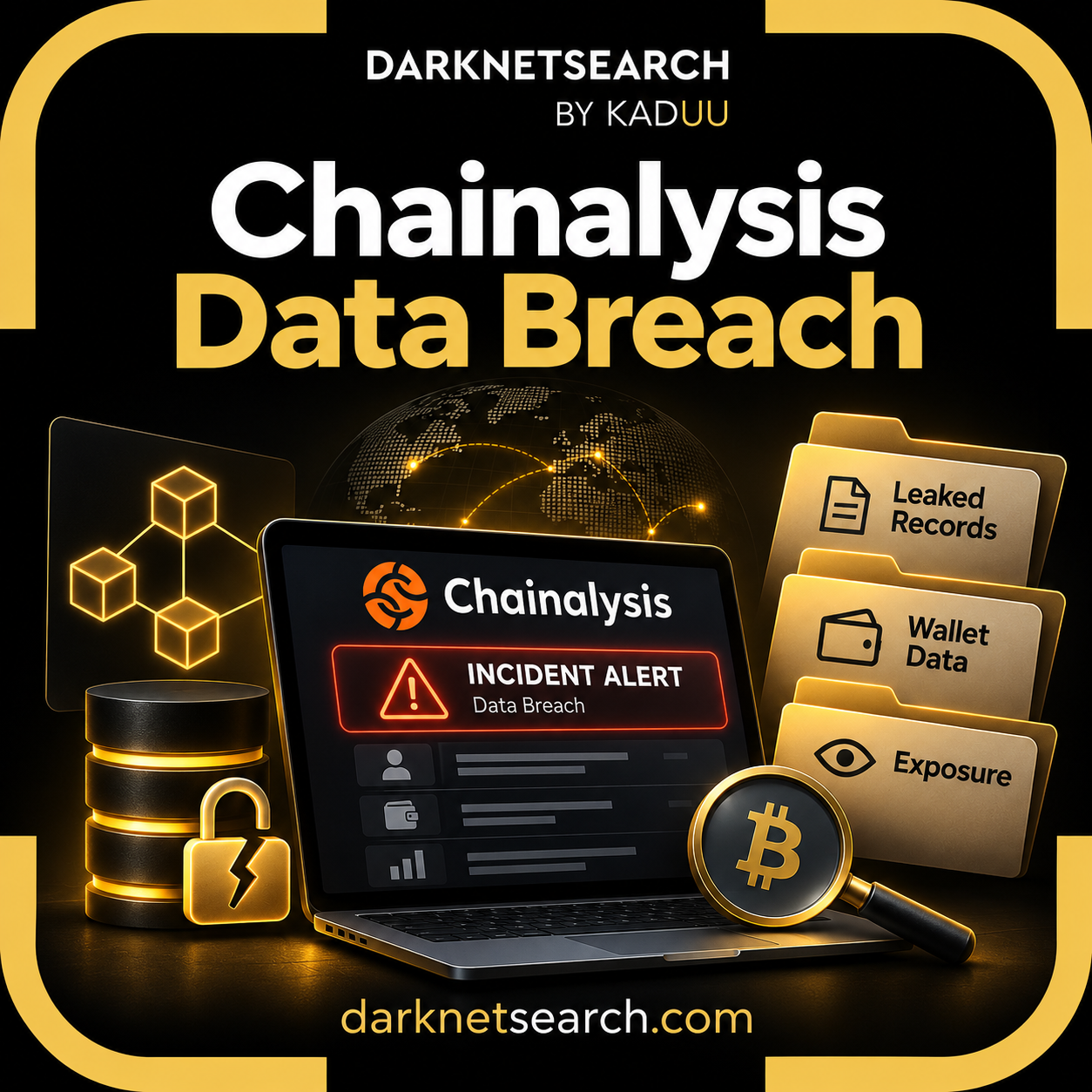
Chainalysis data breach concerns intensified after the blockchain intelligence company disclosed unauthorized access to internal systems on October 30, 2026. According to Chainalysis, an external attacker used what the company described as offensive agentic techniques and accessed certain customer account details. Although investigators reported no evidence of compromised investigation content or authentication secrets, the incident highlights important risks involving AI-assisted intrusions, vendor exposure, and targeted phishing.
For CISOs, SOC analysts, and incident responders, the central question is not simply which records were accessed. It is how exposed identity information could support follow-on attacks, and what organizations can do to identify and reduce those risks.
What Happened in the Chainalysis Data Breach?
On October 30, 2026, Chainalysis published a security notice confirming that an external actor had accessed its systems and internal tools during October.

The company described the activity as involving offensive agentic techniques, but did not publicly identify the attacker, the AI system involved, or the precise technical sequence of the intrusion.
Chainalysis stated that its teams were investigating the unauthorized activity, addressing exploited vulnerabilities, and strengthening platform security.
On November 2, the company published an additional update. It announced that certain products, including Reactor and Data Solutions, had been taken offline as a precaution while further security assessments continued.
Its compliance transaction monitoring products remained operational under enhanced monitoring.
These developments show how an intrusion affecting internal systems can create operational consequences beyond the immediate exposure of customer records.
What Customer Information Was Exposed?
According to the official Chainalysis security incident disclosure, the accessed information included:
- Customer user IDs
- Full names
- Email addresses
- Organizational role labels
The company characterized these records as non-sensitive customer information.
Its investigation had not found evidence of unauthorized access to investigation graphs, notes, cases, transaction results, query results, cleartext passwords, multifactor authentication secrets, or user session tokens.
However, the absence of evidence of further access should not be interpreted as a guarantee that the investigation’s findings cannot change.
Chainalysis was still determining which specific records had been accessed for individual customer organizations.
The total number of affected users had not been publicly established in the disclosure.
Why the Reported Agentic AI Attack Matters
The Chainalysis data breach attracted particular attention because of the reference to agentic attack techniques.
Agentic AI generally describes systems capable of planning and executing sequences of tasks, sometimes interacting with external tools to pursue an objective.
Within legitimate cybersecurity operations, similar approaches may support vulnerability assessment, investigation, or repetitive analysis.
Attackers could potentially use such capabilities to accelerate reconnaissance, process information, interact with exposed services, or coordinate multiple intrusion steps.
What has actually been confirmed?
Chainalysis reported that the attacker used offensive agentic techniques.
However, the company did not disclose the specific model, framework, automation level, initial access vector, or tools involved.
Consequently, describing the event as a fully autonomous AI cyberattack would go beyond the public technical evidence.
The more defensible interpretation is that Chainalysis reported an intrusion involving agentic techniques, with important implementation details remaining undisclosed.
Why security teams should pay attention
Automated attack workflows can potentially reduce the time required to perform repetitive tasks.
This makes timely detection, effective access management, and continuous monitoring particularly important.
Defenders should focus on observable malicious behavior rather than assuming that AI involvement necessarily indicates a completely new exploitation method.
How Customer Data Exposure Creates Secondary Cyber Risks
Even without confirmed password theft, exposed account information can provide useful context to malicious actors.
The combination of a person’s name, professional email address, organization, and role can make impersonation attempts more convincing.
Targeted phishing and vendor impersonation
Attackers could send messages appearing to originate from Chainalysis support or security personnel.
A fraudulent communication might reference the real incident and request that recipients complete an account verification process.
Because the incident is genuine, the message may appear more credible than an unrelated phishing attempt.
Credential harvesting
Attackers could direct users to counterfeit authentication pages designed to capture passwords or session-related information.
This would represent a possible subsequent attack, not a confirmed outcome of the Chainalysis incident.
Business email compromise
Role information may help attackers identify employees involved in compliance, investigations, finance, or administrative functions.
They could then attempt to impersonate trusted colleagues or suppliers.
The likelihood and consequences would depend on organizational procedures, existing security controls, and whether attackers obtained additional information.
How Dark Web Monitoring Supports Breach Investigations
The Chainalysis data breach also illustrates the importance of monitoring information exposure beyond an organization’s internal infrastructure.
Security teams may need to determine whether their employees’ credentials or other sensitive records appear in criminal marketplaces, leak forums, stealer-log collections, or related sources.
Dark web monitoring provides a way to investigate this external exposure.
However, there is no verified public evidence in the cited Chainalysis disclosure that the accessed customer records were advertised or sold on the dark web.
Monitoring should therefore be treated as a precautionary intelligence activity, not proof of a dark web leak.
What should organizations monitor?
Relevant indicators may include corporate email addresses appearing alongside stolen credentials, previously exposed passwords associated with employees, and references to affected organizational domains.
Investigators should also look for potential impersonation infrastructure and suspicious datasets claiming to contain customer information.
Every finding requires validation. Old breach compilations, duplicated records, and fabricated leak advertisements can produce misleading results.
DarknetSearch provides external threat intelligence and exposure monitoring across sources including leak datasets, stealer logs, and dark web environments.
These capabilities can complement internal incident response, but cannot establish that a specific incident caused every discovered exposure.
Why Credential Exposure Can Outlast the Original Incident
An important lesson for security teams is that exposure risk does not necessarily disappear when the original intrusion is contained.
Credentials from unrelated historical breaches may remain available in circulating datasets.
Attackers could combine those records with newly exposed professional identity information to create more convincing account takeover attempts.
DarknetSearch’s analysis of the limitations of traditional credential monitoring explains why fragmented records, repeated datasets, and historical exposures can complicate security investigations.
For SOC teams, the priority should be contextual analysis rather than counting every matching email address as a new compromise.
A verified, still-valid credential associated with a privileged account demands different treatment from an old, inactive record.
Six Actions Security Teams Should Take Now
Organizations using Chainalysis services should review their exposure without assuming that authentication systems or investigation data were compromised.
- Review vendor communications. Identify affected accounts and obtain any organization-specific updates from Chainalysis.
- Confirm multifactor authentication. Ensure accounts use available authentication protections and investigate unexpected prompts.
- Warn users about incident-themed phishing. Encourage verification through trusted channels rather than links in unsolicited messages.
- Review suspicious account activity. Examine relevant authentication events and investigate anomalies according to established procedures.
- Assess external credential exposure. Identify potentially compromised employee credentials and verify their relevance before remediation.
- Review operational dependencies. Consider how precautionary service interruptions could affect investigations, compliance workflows, and business continuity.
These actions should be coordinated through an established incident-response process.
Avoid automatically rotating unrelated credentials or triggering disruptive controls without assessing actual exposure and operational requirements.
What the Incident Means for MSSPs and SOC Analysts
Managed security service providers must often investigate incidents involving technology vendors used by several customers simultaneously.
A consistent workflow helps analysts distinguish shared exposure concerns from organization-specific risk.
For each affected customer, the investigation should establish which users have accounts, what privileges they hold, whether suspicious authentication activity exists, and whether independently sourced intelligence identifies relevant exposed credentials.
Analysts should document evidence confidence and avoid treating attacker claims or unverified datasets as confirmed compromises.
An effective intelligence report should answer three questions: what happened, how it affects the organization, and what actions are justified by the available evidence.
Frequently Asked Questions
Was Chainalysis hacked in October 2026?
Yes. Chainalysis confirmed unauthorized access to its systems and internal tools during October 2026 and disclosed the incident on October 30. Its investigation identified access to certain customer account details, while the precise intrusion method and total affected population were not publicly established.
Were Chainalysis customer passwords stolen?
Chainalysis reported no evidence of unauthorized access to cleartext passwords, MFA secrets, or user session tokens as of its published updates. The company nevertheless advised users to remain vigilant about unexpected authentication prompts and password-reset requests.
Was the Chainalysis breach caused by autonomous AI?
Chainalysis described the intrusion as involving offensive agentic techniques. It did not publish enough technical information to establish whether an autonomous AI agent operated independently, which model was involved, or how much human direction the attacker provided.
Did stolen Chainalysis data appear on the dark web?
The official incident disclosure did not establish that the accessed records had appeared on dark web marketplaces or leak sites. Organizations can investigate relevant external exposure indicators, but should not confuse precautionary monitoring with confirmation that the incident data was publicly distributed.
Strengthen External Threat Visibility After a Vendor Breach
The Chainalysis incident demonstrates why third-party security events require attention even when credential theft has not been confirmed. Customer identity information may still create opportunities for impersonation, while unrelated historical exposures can complicate account risk.
Organizations should combine vendor updates, identity protection, internal investigation, and continuous external threat intelligence to make informed decisions.
Explore DarknetSearch’s dark web monitoring solution to understand how security teams can investigate compromised credentials, identify relevant external exposure, and incorporate actionable findings into their incident-response workflows.
Discover how CISOs, SOC teams, and risk leaders use our platform to detect leaks, monitor the dark web, and prevent account takeover.
🚀Explore use cases →