StealC Malware Revealed: 7 Impacts of Hackers Hacked
➤Summary
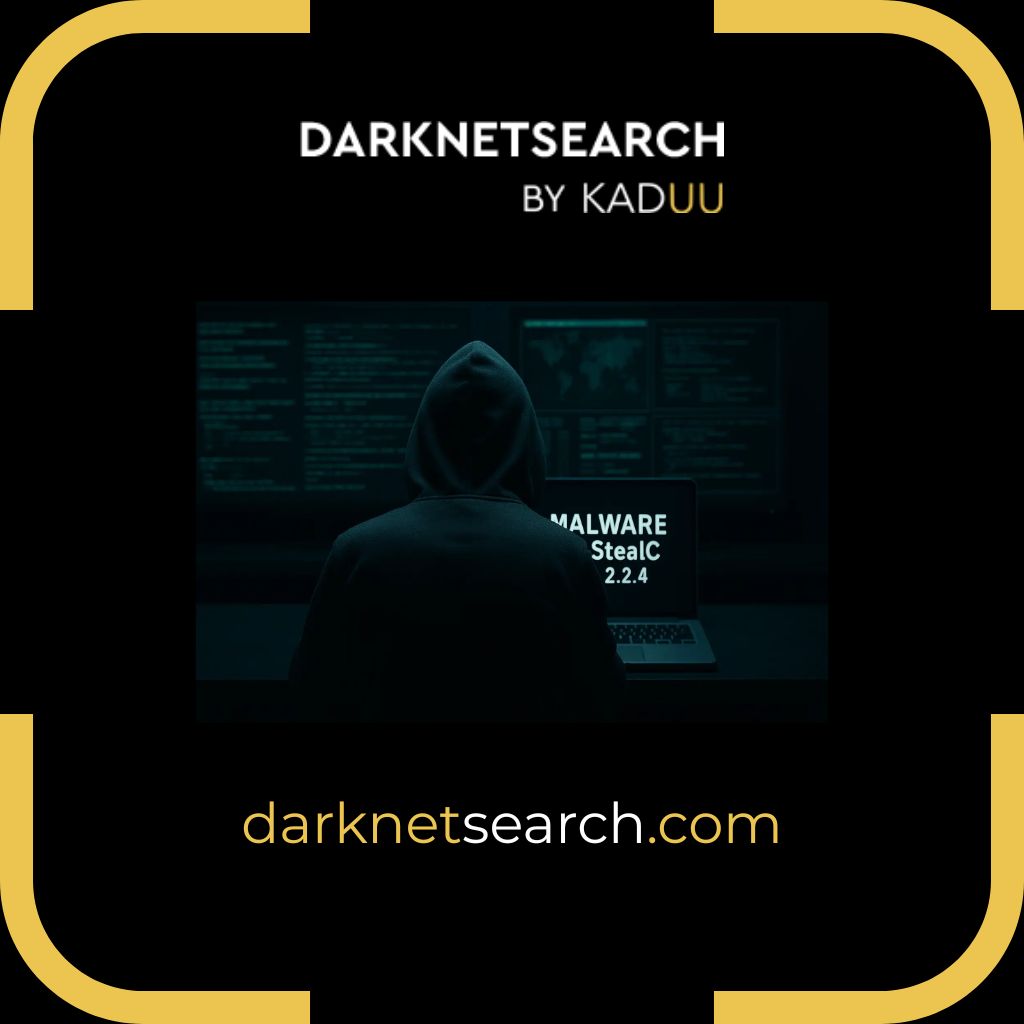
StealC malware has become the center of attention after an unusual twist in the cybercrime ecosystem: the attackers themselves were compromised. In a rare and revealing incident, security researchers successfully infiltrated and hijacked StealC malware command-and-control panels, gaining unprecedented visibility into active criminal operations. This event sheds light on how modern malware campaigns are managed, monetized, and scaled, while also exposing weaknesses within cybercriminal infrastructure 💡. By analyzing this operation, defenders gain valuable intelligence on threat actor behavior, malware-as-a-service economics, and opportunities for disruption. This darknetsearch.com article explores how the takedown happened, why it matters, and what lessons CISOs, MSSPs, and security teams can draw from it.
Understanding StealC Malware and Its Criminal Ecosystem
StealC malware is a sophisticated information stealer sold through underground channels as a subscription-based service. It is designed to harvest browser credentials, cookies, crypto wallets, and system data, then exfiltrate the information back to attacker-controlled servers. Unlike one-off malware strains, StealC malware operates as a full ecosystem, complete with dashboards, customer support, and regular updates 🧠. This malware-as-a-service model lowers the barrier to entry for cybercriminals, allowing even low-skilled actors to launch high-impact attacks. Researchers monitoring these ecosystems, often through Dark web solutions, have long warned that such platforms mirror legitimate SaaS businesses in structure and efficiency.
How Researchers Hijacked StealC Control Panels
The breakthrough came when cybersecurity analysts identified weaknesses in the StealC malware command-and-control infrastructure. By exploiting misconfigurations and poor access controls, researchers were able to gain administrative access to multiple control panels. This allowed them to observe live infections, stolen data streams, and even communications between operators and affiliates 🔓. According to reports from BleepingComputer, this access provided a rare real-time look into how cybercriminals manage victims and profits at scale . Such insights are invaluable for improving detection and response strategies.

What Data Was Exposed During the Takeover
Once inside the panels, researchers uncovered detailed logs of infected machines, geographic distribution of victims, and timestamps of data exfiltration. They also observed how StealC malware operators categorized stolen credentials for resale or secondary exploitation 💾. This intelligence helps defenders understand attacker priorities and identify which industries or regions are most at risk. The findings also reinforce the importance of continuous threat intelligence collection, including dark web monitoring reports that track emerging malware campaigns and infrastructure changes.
Why This Incident Matters to the Cybersecurity Community
Why should defenders care that hackers were hacked? The answer is clear: visibility changes the balance of power. By infiltrating StealC malware infrastructure, researchers disrupted operations, gathered actionable intelligence, and potentially prevented future attacks. This event demonstrates that threat actors are not immune to operational security failures ⚖️. For CISOs, this reinforces the value of proactive intelligence and collaboration between private researchers and security vendors. It also shows that investing in Dark Web Monitoring for MSSP providers can directly contribute to identifying and exploiting attacker mistakes.
Lessons Learned About Malware-as-a-Service Operations
One of the most important takeaways is how centralized many malware-as-a-service platforms remain. Despite using bulletproof hosting and obfuscation, StealC malware operators relied on poorly secured admin panels and reused credentials. This centralization creates single points of failure that defenders can target 🎯. Analysts reviewing these cases often document patterns in dark web monitoring documentations, highlighting recurring mistakes that can be leveraged for disruption. These insights help security teams move from reactive defense to proactive threat hunting.
Defensive Checklist for Organizations
Organizations can apply several practical steps based on this incident:
- Monitor for indicators associated with StealC malware infections
- Implement behavior-based detection rather than signature-only tools
- Track underground chatter related to stolen credentials and malware updates
- Validate endpoint configurations to prevent credential harvesting
- Integrate threat intelligence feeds from trusted.
This checklist strengthens resilience against not only StealC malware but also similar information stealers 🛡️.
The Role of Threat Intelligence Platforms
Threat intelligence platforms play a crucial role in turning incidents like this into actionable defense improvements. By correlating panel data, infection metrics, and underground sales activity, analysts can map entire attack chains. Resources and investigative insights published on darknetsearch.com regularly demonstrate how underground intelligence complements traditional security controls 🔍. These platforms enable faster detection of new campaigns and reduce dwell time when infections occur.
Broader Implications for Cybercriminal Trust
An often-overlooked impact is the erosion of trust within criminal communities. When StealC malware operators are exposed, affiliates may fear surveillance, stolen profits, or law enforcement tracking. This uncertainty can slow recruitment and reduce campaign effectiveness 💥. Over time, repeated incidents like this can destabilize underground markets, making large-scale operations harder to sustain. For defenders, this is a strategic advantage worth cultivating.
Frequently Asked Question About StealC Malware
Is StealC malware still a threat after this takeover? Yes. While the hijacking disrupted operations and exposed infrastructure, variants and copycat campaigns can still emerge. Continuous monitoring and layered defenses remain essential to mitigate ongoing risk.
Conclusion and Call to Action
The hijacking of StealC malware control panels marks a rare victory for defenders, offering deep insight into how modern cybercrime operates and how it can fail. By learning from attacker mistakes and leveraging threat intelligence, organizations can strengthen their security posture and reduce exposure to information-stealing malware 🚀. Stay informed, stay proactive, and turn intelligence into action. Discover much more in our complete guide. Request a demo NOW.
Discover how CISOs, SOC teams, and risk leaders use our platform to detect leaks, monitor the dark web, and prevent account takeover.
🚀Explore use cases →