
Darknet Search Engine: ToledoZoo.org Data Leak Claim Examined

➤Summary
Darknet search engine investigations are increasingly used by security teams to monitor claims of newly advertised data leaks across criminal forums and underground marketplaces. One recent example involves an alleged ToledoZoo.org data leak that was posted on the PwnForums cybercrime forum by a user known as “seraphims.” At the time of writing, these claims have not been independently verified, and there has been no publicly available confirmation from the Toledo Zoo that validates the alleged compromise.
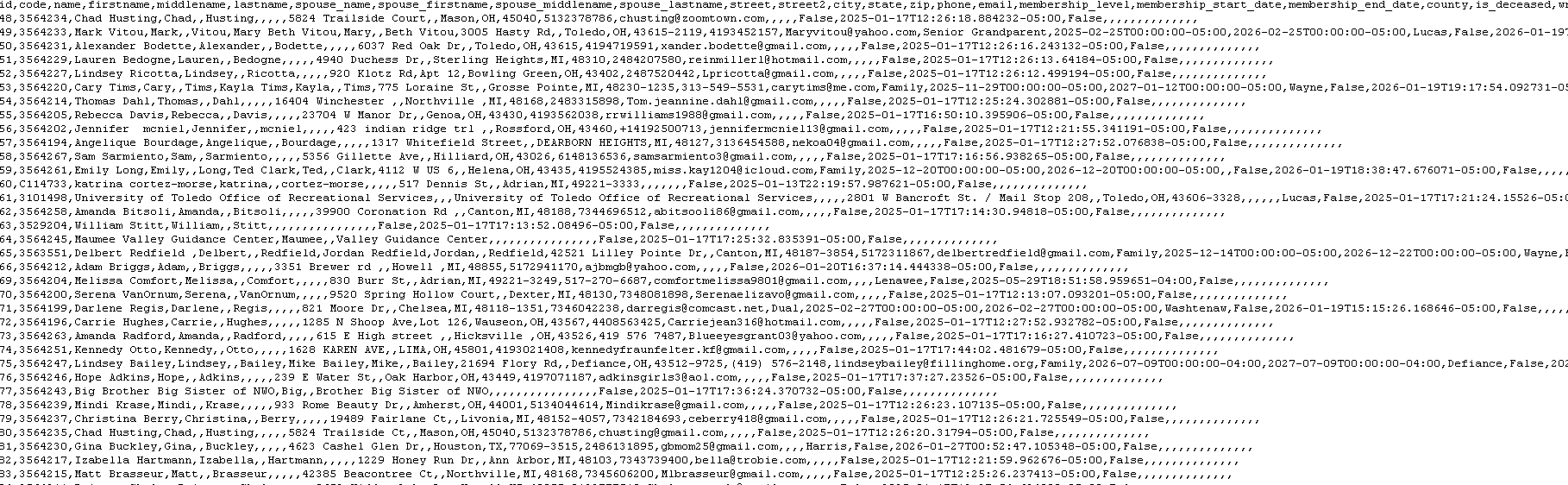
the seller claims that approximately 1.9 million records containing personally identifiable information (PII) were obtained through a purported zero-day vulnerability in a third-party system. The dataset is advertised for $800 (negotiable). Because these details originate solely from the threat actor’s post, they should be treated as attacker claims rather than confirmed facts.

For security leaders, threat intelligence analysts, MSSPs, and incident response teams, even unverified listings deserve attention. Criminal forum posts can represent genuine compromises, recycled datasets, fabricated advertisements, or combinations of multiple historical leaks. Understanding the difference is essential before making risk decisions.
What Is Currently Known About the Alleged ToledoZoo.org Data Leak?
Based on the publicly available forum listing, the seller claims the following:
| Category | Current Status |
| Organization | ToledoZoo.org |
| Forum | PwnForums |
| Seller | seraphims |
| Claimed Records | Approximately 1.9 million |
| Claimed Cause | Alleged zero-day vulnerability in a third-party system |
| Sale Price | $800 (negotiable) |
| Verification Status | Not independently verified |
The forum listing further alleges that the exposed information includes:
- Email addresses
- First, middle, and last names
- Street addresses
- City, state, ZIP code
- Phone numbers
- County
- Membership information
- Spouse information
- Children count
- Title or suffix
- Deceased status indicators
At this stage, there is no independent confirmation that these records genuinely originated from ToledoZoo.org, nor has any official advisory confirmed the scope or authenticity of the advertised dataset. Readers should avoid assuming that every advertised record represents real or current customer information.
What Has Been Confirmed So Far?
One of the biggest mistakes made during cyber incident reporting is treating a criminal forum advertisement as proof of compromise.
At the time of publication, the following facts can be reasonably established:
Confirmed
- A forum post advertising an alleged ToledoZoo.org dataset exists.
- The seller claims possession of approximately 1.9 million records.
- The seller alleges the data originated from exploitation of a third-party zero-day vulnerability.
Not Confirmed
- That ToledoZoo.org itself was successfully breached.
- That the advertised data is authentic.
- That all claimed records exist.
- That a zero-day vulnerability was actually exploited.
- That the alleged information is recent or complete.
- That affected individuals have been officially notified.
This distinction is critical for cyber threat intelligence teams. Threat actor advertisements frequently exaggerate dataset size, recency, or uniqueness in order to increase resale value.
Why Alleged Third-Party Breaches Require Careful Investigation
The forum post specifically attributes the alleged compromise to a third-party system rather than directly to ToledoZoo.org.
This matters because modern organizations depend on numerous external platforms, including:
- Membership management systems
- Payment processors
- CRM platforms
- Marketing automation services
- Event registration providers
- Cloud-hosted applications
A compromise affecting one of these providers can potentially expose customer information belonging to multiple organizations simultaneously.
However, no evidence has been publicly released confirming that such a third-party compromise occurred in this case. Until independent forensic findings or official disclosures become available, the alleged attack path should remain classified as an unverified attacker claim rather than an established incident.
Why This Type of Alleged Exposure Matters
Whether ultimately verified or disproven, advertisements involving large collections of PII deserve attention because the advertised information could potentially support several categories of cybercrime if authentic.
Personally identifiable information can increase the effectiveness of:
- Spear-phishing campaigns
- Identity fraud
- Business email compromise preparation
- Social engineering
- Credential-stuffing campaigns when combined with previously leaked passwords
- Account recovery abuse
Unlike passwords, identity information often remains useful for years. Attackers frequently combine multiple historical datasets into richer victim profiles that improve targeting accuracy.
This is one reason many organizations use a darknet search engine alongside broader dark web surveillance capabilities to identify references to their domains, brands, employees, and customer information before threat actors operationalize stolen data.
Why Security Teams Should Monitor Criminal Forum Claims
Not every advertised breach is genuine, but every significant claim should be assessed.
A mature cyber threat intelligence program typically evaluates:
- Whether sample data has been released.
- Whether the dataset overlaps with previously known breaches.
- Whether indicators match legitimate organizational data.
- Whether additional threat actors begin redistributing the same dataset.
- Whether credential exposure appears across multiple underground ecosystems.
Monitoring these signals helps distinguish recycled leaks from newly emerging incidents.
For MSSPs managing multiple customers, early visibility can support faster client notification, exposure validation, and investigation prioritization without assuming the threat actor’s claims are accurate.
How Could Attackers Benefit If the Claims Were Accurate?
If the advertised dataset were authentic, it could provide value to several categories of cybercriminals.
Potential downstream risks could include:
- Highly personalized phishing emails
- Identity verification bypass attempts
- Customer impersonation
- Targeted social engineering
- Fraud involving membership information
- Correlation with historical credential leaks
Importantly, the forum advertisement does not claim that passwords or authentication credentials are included. Instead, the alleged dataset appears to focus primarily on personally identifiable information and membership-related records.
That distinction changes both the immediate risk profile and the recommended defensive response. While credential theft often leads directly to account compromise, extensive PII exposure is more commonly leveraged in identity-based attacks and long-term fraud campaigns.
What Security Teams Should Do Next
Regardless of whether the advertised dataset is eventually confirmed or disproven, security teams should treat credible underground listings as an opportunity to validate their exposure rather than immediately assuming a compromise has occurred.
Organizations associated with the alleged victim should consider the following defensive actions:
- Determine whether any third-party vendors process or store the types of information described in the forum advertisement.
- Review recent authentication and administrative activity for unusual behavior.
- Assess whether customer, employee, or partner data appears in known breach intelligence repositories.
- Increase monitoring for phishing campaigns that reference organizational branding.
- Review privileged access to third-party platforms handling sensitive customer information.
- Prepare internal communications in case independent confirmation or official notifications emerge later.
For organizations that rely heavily on external service providers, internet-facing asset monitoring can complement vendor risk management by helping identify externally exposed systems and unauthorized changes that may increase attack surface visibility.
How Threat Intelligence Can Help Validate Alleged Data Leaks
One of the primary roles of cyber threat intelligence is separating credible threats from misinformation.
Criminal forums frequently contain:
- Newly stolen databases
- Historical data repackaged as new
- Fake advertisements intended to scam buyers
- Partial datasets used as proof-of-possession
- Data combined from multiple historical breaches
Rather than relying solely on forum posts, analysts compare underground claims against multiple intelligence sources, including dark web marketplaces, paste sites, breach repositories, ransomware leak portals, and other cybercrime ecosystems.
Using a darknet search engine allows security teams to identify references to their organization across these sources without assuming every listing represents a confirmed compromise.
Organizations also benefit from understanding how to monitor dark web for data breaches as part of a broader cyber threat intelligence strategy. Continuous monitoring can help identify potential exposure earlier, allowing defenders to investigate before threat actors widely redistribute sensitive information.
Where appropriate, solutions such as DarknetSearch can provide an additional layer of visibility into publicly available threat intelligence. However, dark web monitoring should complement—not replace—identity security, endpoint detection, vulnerability management, incident response, and SOC operations.
Why MSSPs Should Pay Attention
Managed Security Service Providers (MSSPs) frequently encounter situations where customers ask whether an advertised breach is genuine.
Rather than immediately classifying a client as compromised, MSSPs can use threat intelligence to:
- Validate whether customer domains appear in underground discussions.
- Compare alleged data against previously identified exposures.
- Prioritize investigations based on evidence rather than rumors.
- Deliver actionable reporting to clients.
- Continuously monitor emerging cybercrime activity affecting multiple customers.
For providers supporting dozens or hundreds of organizations, scalable monitoring helps reduce investigation time while improving client confidence during uncertain incidents.
Security Checklist
If your organization believes it could be affected by an alleged data exposure, consider the following defensive checklist:
- Verify whether the affected data categories are actually stored internally or by third-party vendors.
- Review recent authentication logs for unusual activity.
- Audit privileged third-party access.
- Notify internal incident response teams if credible evidence emerges.
- Increase phishing awareness among employees.
- Monitor exposed identities and organizational mentions across criminal ecosystems.
- Review vendor security controls and contractual notification requirements.
- Document investigative findings and maintain evidence for future reference.
Frequently Asked Questions
Is the ToledoZoo.org data leak confirmed?
No. At the time of writing, the alleged ToledoZoo.org dataset originates from a cybercrime forum advertisement. The seller claims to possess approximately 1.9 million records, but these claims have not been independently verified, and no official confirmation has been identified.
Why do attackers advertise data before it is verified?
Threat actors often advertise datasets to attract buyers, establish reputation, or increase perceived value. Some advertisements involve genuine stolen information, while others contain recycled, incomplete, or fabricated data. Security teams should investigate credible claims without automatically assuming they are authentic.
What are the best dark web monitoring tools used for?
The best dark web monitoring tools help organizations identify exposed credentials, leaked corporate information, criminal discussions, and emerging threats across underground ecosystems. They provide visibility that supports incident response and threat intelligence but should be integrated with broader cybersecurity controls.
What is the difference between dark web monitoring and internet-facing asset monitoring?
Dark web monitoring focuses on identifying exposed data and criminal activity involving an organization, while internet-facing asset monitoring identifies publicly accessible systems, domains, services, and exposed infrastructure. Together, they provide complementary visibility into external cyber risk.
Gain Better Visibility Into External Threat Exposure
Cybercriminal forum listings often generate uncertainty because organizations must determine whether an advertised dataset reflects a genuine compromise, recycled information, or fraudulent claims. Continuous monitoring helps security teams distinguish credible threats from noise and prioritize investigations based on evidence.
DarknetSearch provides visibility into publicly available cyber threat intelligence sources, helping organizations monitor potential credential exposure, dark web activity, and external risk indicators as part of a broader defense strategy. Combined with strong incident response, identity security, and vendor risk management, threat intelligence enables faster, more informed decision-making when new exposure claims emerge.
Start a free trial with DarknetSearch to strengthen your visibility against threats.
Disclaimer: DarknetSearch reports on publicly available threat-intelligence sources. Inclusion of an organization in an article does not imply confirmed compromise. All claims are attributed to external sources unless explicitly verified.
Discover how CISOs, SOC teams, and risk leaders use our platform to detect leaks, monitor the dark web, and prevent account takeover.
🚀Explore use cases →